Why Ceramic Beads is especially Suitable for Metal Surface Finish?
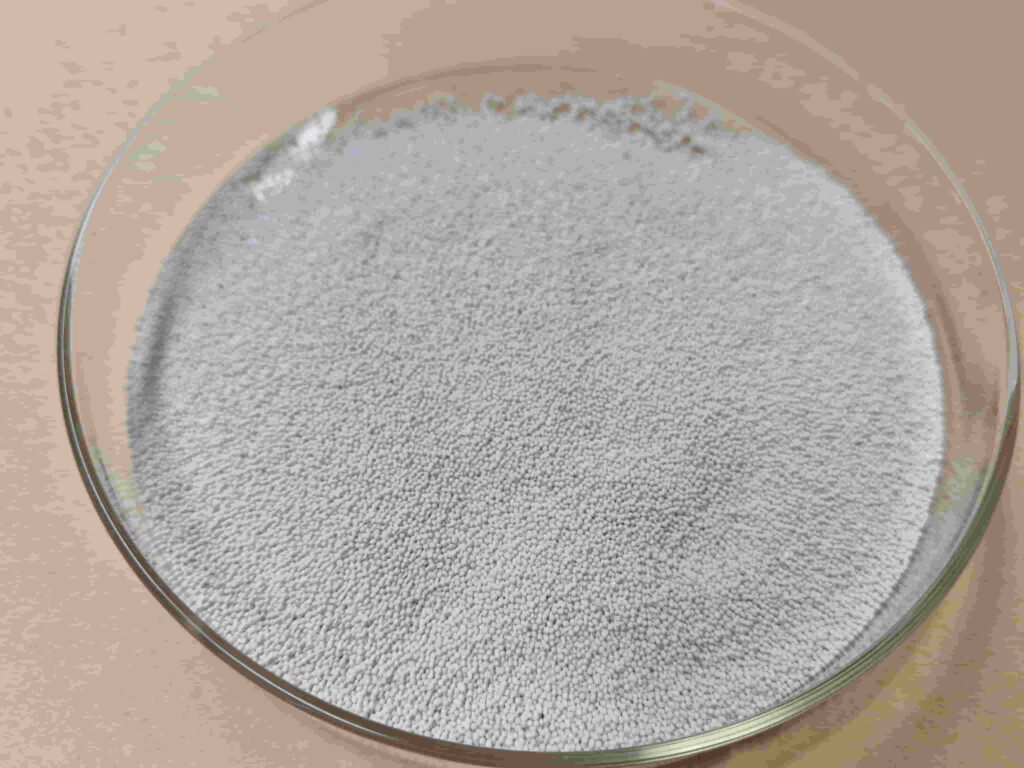
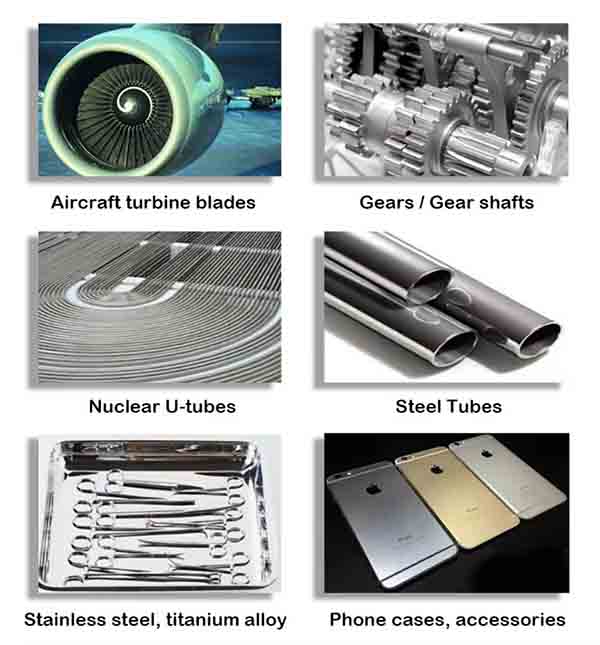
In the realm of industrial finishing and precision cleaning, the choice of media is critical to achieving the desired surface quality. Among various options, ceramic beads stand out as an exceptionally suitable medium for finishing metal surfaces, owing to their unique combination of physical and chemical properties.
Firstly, ceramic beads are renowned for their superior durability and hardness. Made from high-purity materials like zirconia or alumina, they are significantly harder than many common metal alloys. This hardness allows them to effectively remove burrs, scale, and other surface imperfections from metal parts without degrading themselves. Consequently, ceramic beads have a remarkably long operational life, reducing the frequency of media replacement and lowering long-term costs.
Furthermore, their chemical inertness is a major advantage. Ceramic beads do not react with metal surfaces or common cleaning solutions. This prevents any chemical contamination, staining, or rusting of the sensitive metal components during the finishing process. This is particularly crucial for metals like aluminum or stainless steel, where maintaining corrosion resistance is paramount.
The spherical shape of the beads is another key benefit. It produces a uniform, peened surface with consistent matte or satin finishes, avoiding sharp edges that could cause stress concentrations. This process, known as micro-peening, can even enhance the metal’s fatigue strength by inducing beneficial compressive stresses on the surface.
Moreover, ceramic beads are versatile and can be used in various equipment, including vibratory finishers and blast cabinets. Their density provides sufficient kinetic energy for effective cutting and polishing, while their smooth shape ensures they do not lodge in complex part geometries.
In conclusion, the exceptional hardness, chemical stability, and spherical form of ceramic beads make them an ideal choice for metal surface finishing. They deliver consistent, high-quality results—from deburring and descaling to cosmetic polishing—while ensuring the integrity and longevity of the metal parts themselves.